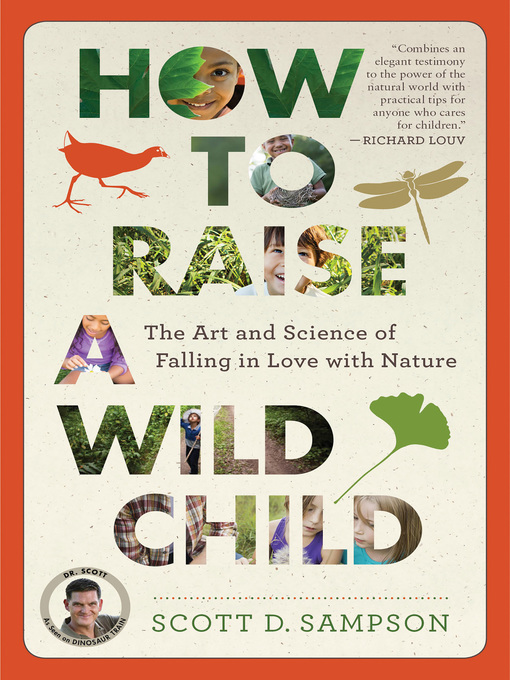
The average North American child now spends about seven hours a day staring at screens, with mere minutes engaged in the kind of unstructured play outdoors essential for growth. Yet recent research on child development indicates that experiences in nature are essential for healthy growth.
Regular exposure to nature can help relieve stress, depression, and attention deficits. It can reduce bullying, combat obesity, and boost academic scores. Most critical of all, abundant time in natural settings seems to yield long-term benefits in kids' cognitive, emotional, and social development.
How to Raise a Wild Child is a timely and engaging antidote, offering teachers, parents, and other caregivers the necessary tools for outdoor education to engender a meaningful, lasting connection between children and the natural world.
Distilling the latest research in multiple disciplines, this guide to nature connection reveals how adults can help kids fall in love with nature—enlisting technology as an ally, taking advantage of urban nature, and instilling a sense of place through place-based learning along the way.
"In a time when the connection between humans and the rest of nature is most vulnerable, Scott offers parents and teachers a book of encouragement and knowledge, and to children, the priceless gift of wonder."—Richard Louv, author of Last Child in the Woods and The Nature Principle
This essential book provides an evidence-based framework for parents and educators:
