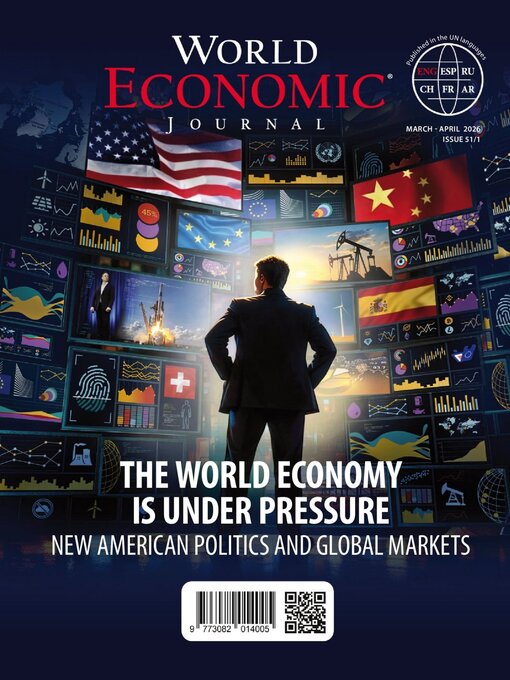
 MARCH 2026 - APRIL 2026
 MAY - JUNE 2025
 FEBRUARY - MARCH 2025
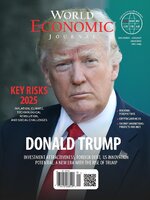 DECEMBER 2024 - JANUARY 2025
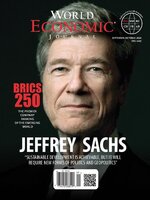 SEPTEMBER - OCTOBER 2024
World Economic Journal (WEJ) is a premier international business and economics magazine that delivers authoritative analysis, exclusive insights, and data-driven reports on global economic trends, innovation, and sustainability. With a focus on both emerging and developed markets, WEJ provides decision-makers with strategic intelligence that shapes the future of finance, trade, and policy. Why Read WEJ? Unbiased, expert-driven analysis of global economic, financial, and geopolitical trends. Exclusive interviews with world leaders, Nobel laureates, and top executives shaping international markets. Deep dives into AI, sustainability, and digital transformation—the technologies defining the next decade. In-depth coverage of financial markets, investment trends, and corporate strategies that matter to businesses worldwide. Global Reach, Global Impact WEJ is trusted by business leaders, policymakers, investors, and analysts across BRICS, the EU, the United States, and emerging economies. We cut through political noise and provide fact-based, actionable insights for a rapidly changing world. Advertise with WEJ Reach a high-profile audience of decision-makers, institutional investors, and corporate executives. Explore advertising opportunities at https://world-economic.com/advertising or contact us at adv@world-economic.com. Stay ahead of global economic trends with the World Economic Journal – where insights drive impact.
World Economic Journal
THE WORLD ECONOMY IS UNDER PRESSURE: NEW AMERICAN POLITICS AND GLOBAL MARKETS • The global economy is facing enormous pressure. The 2025-2026 period has been marked with rising economic risks. Geopolitical uncertainty and deteriorating foreign relations between the U.S. and other countries have been replaced with systemic pressure on the U.S. trading partners. In this article I will explore the consequences of trade tensions for the global supply chains, the investment climate as well as the economic effects of the trade wars for the U.S. trading partners.
FINANCIAL MARKETS IN 2026—VOLATILITY AS THE NEW NORM • It seems like the era of stability is over for the financial markets simply because it is hard to predict what the future has in store for the financial world. Geopolitical conflicts, trade wars and low economic growth have become typical of our day-to-day reality. Stock indices, cryptocurrencies and even precious metals keep surging and soon afterwards depreciating. It is very hard to make accurate predictions in the new reality simply because market participants do not know what to expect next.
HOW GLOBAL ECONOMIC PRESSURE AND POLICY SHIFTS ARE RESHAPING INVESTOR CRITERIA IN 2026
AI AND THE ECONOMY: PRODUCTIVITY, NOT HYPE • THE SOLOW PARADOX 2.0: WHY A TRILLION DOLLARS IN CAPITAL EXPENDITURE HAS NOT YET MOVED THE GLOBAL GDP NEEDLE
THE UAE AS A NEUTRAL HUB IN A FRAGMENTED GLOBAL ECONOMY • How the UAE's port infrastructure, free zones, and strategic neutrality are reshaping global trade flows and capital positioning amid U.S. tariff fragmentation.
TURKEY AS A REGIONAL HUB: LOGISTICS, INVESTMENT REGIMES, AND U.S. TRADE POLICY IMPACTS
INDONESIA AS A REGIONAL LOGISTICS & INVESTMENT HUB: CHAINS, REGIMES, AND U.S. POLICY IMPACTS
EGYPT AS A FRONTIER MARKET: INFRASTRUCTURE AMBITIONS, GROWTH LIMITS, AND INVESTMENT RISKS
BANGLADESH AS A FRONTIER MARKET: GROWTH, INFRASTRUCTURE GAPS, AND INVESTMENT RISKS
SPECIAL ECONOMIC ZONES AS POINTS OF STABILITY • Why World Economic Journal Is Launching a Systemic Focus on SEZs
MARCH – MAY 2026
WORDS